


As a teenager, I was obsessed with James Gleick's Chaos. What fascinated me was the idea that simple systems can create outcomes that seem unpredictable, even though they're governed by clear rules. There is order beneath the surface, but the results can never be known in advance.
Most people know this as the butterfly effect: the idea that a small change can have far-reaching consequences.
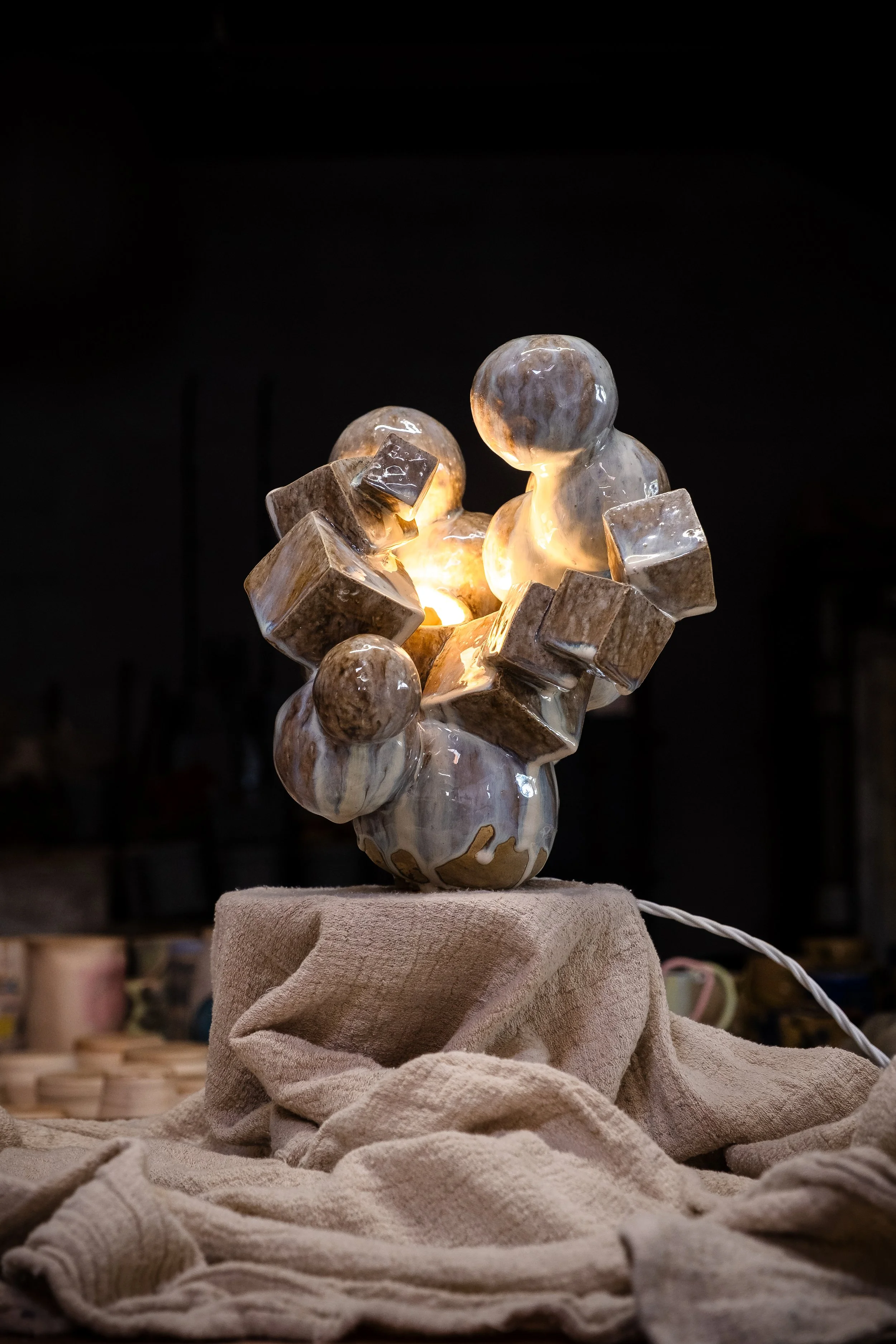
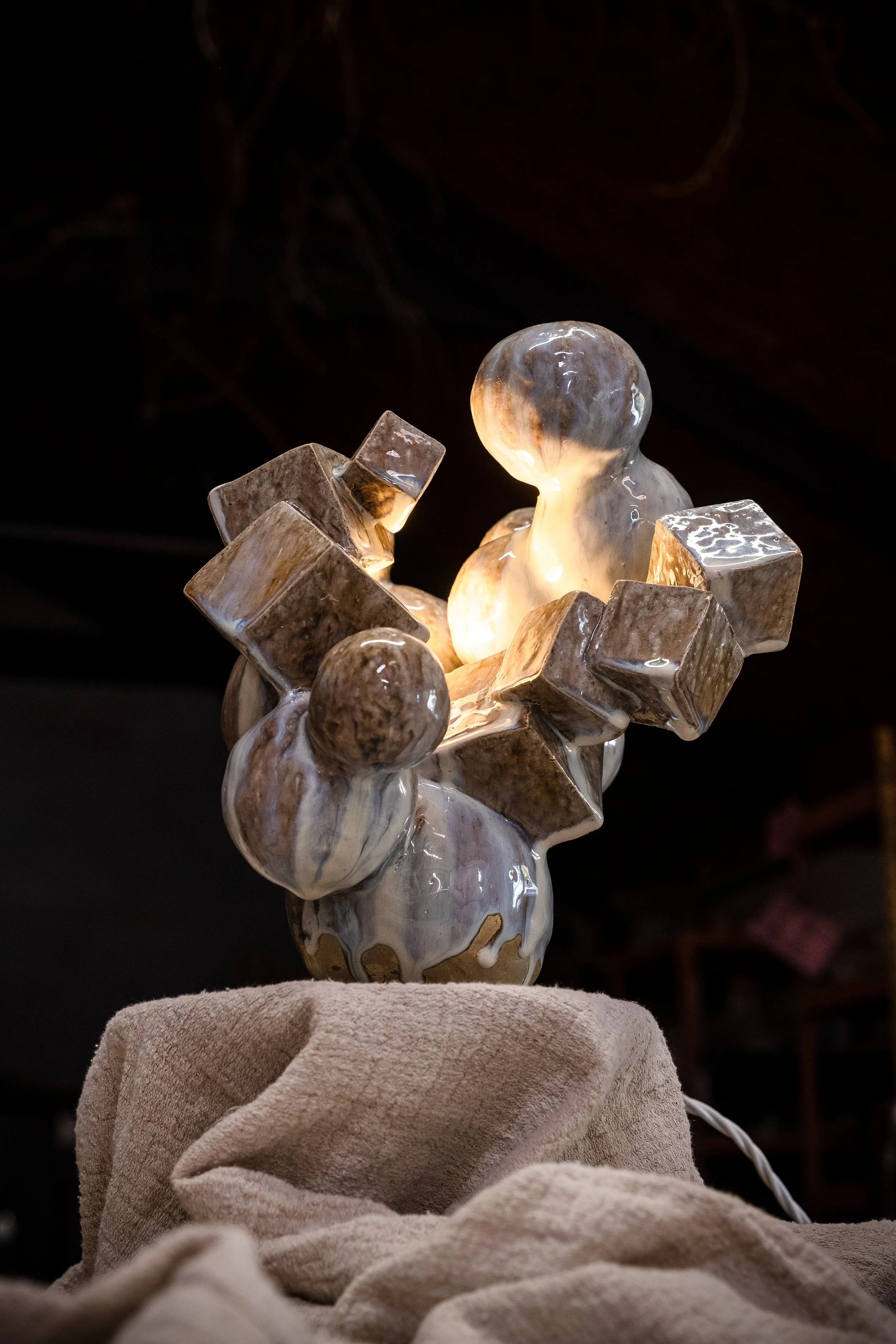
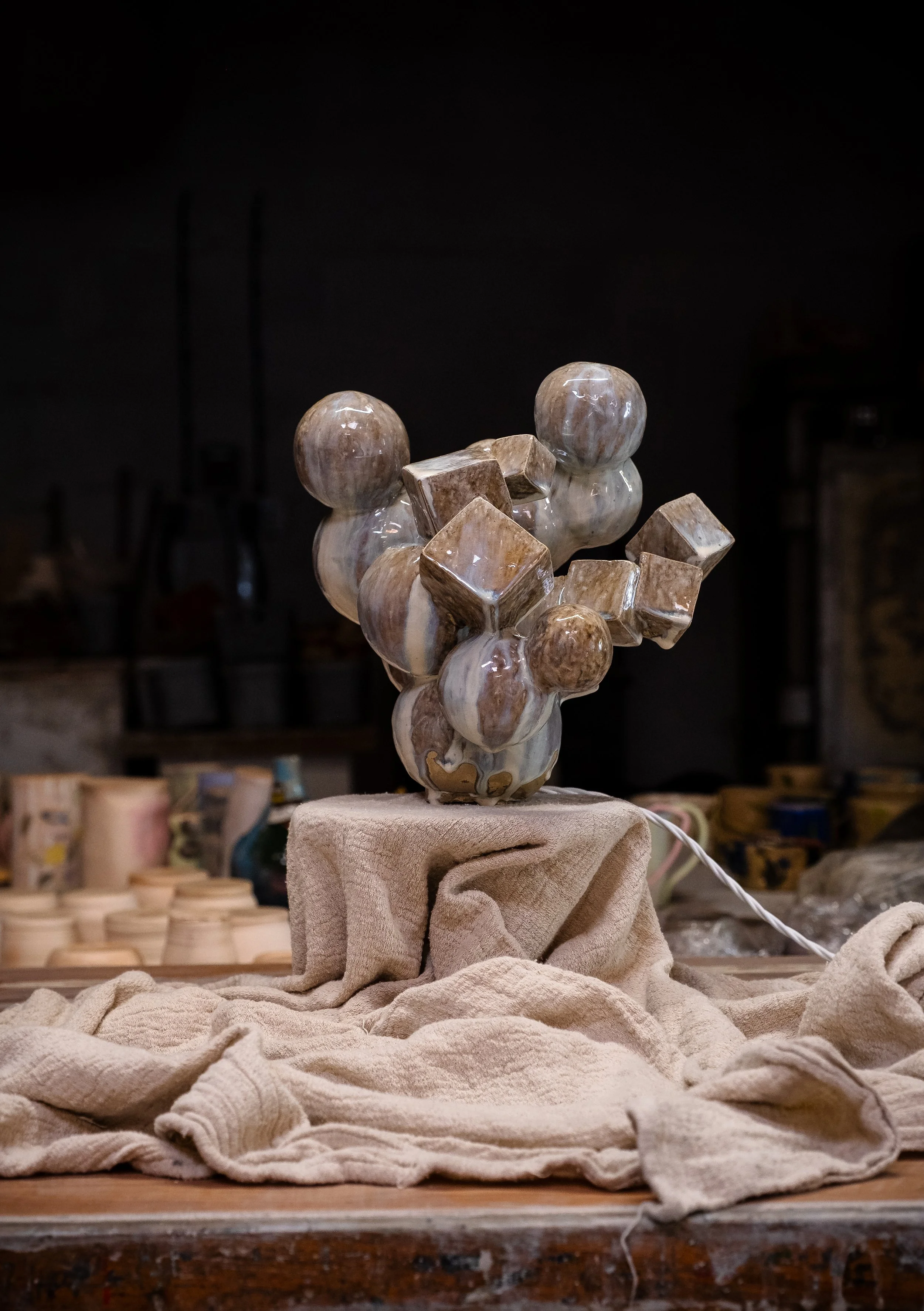
I've always been drawn to that tension between structure and uncertainty. It's something I recognise in clay. There are techniques, processes, and materials that behave in certain ways, but there is always an element that resists complete control. A slight shift in pressure, a change in temperature, or the movement of a glaze can alter the final piece in unexpected ways.
For me, making is not about forcing an outcome. It's about working within a set of conditions and remaining open to what emerges. Some of the most interesting results come from the moments that couldn't have been planned.
As a teenager, I was obsessed with James Gleick's Chaos. What fascinated me was the idea that simple systems can create outcomes that seem unpredictable, even though they're governed by clear rules. There is order beneath the surface, but the results can never be known in advance.
Most people know this as the butterfly effect: the idea that a small change can have far-reaching consequences.
I've always been drawn to that tension between structure and uncertainty. It's something I recognise in clay. There are techniques, processes, and materials that behave in certain ways, but there is always an element that resists complete control. A slight shift in pressure, a change in temperature, or the movement of a glaze can alter the final piece in unexpected ways.
For me, making is not about forcing an outcome. It's about working within a set of conditions and remaining open to what emerges. Some of the most interesting results come from the moments that couldn't have been planned.